

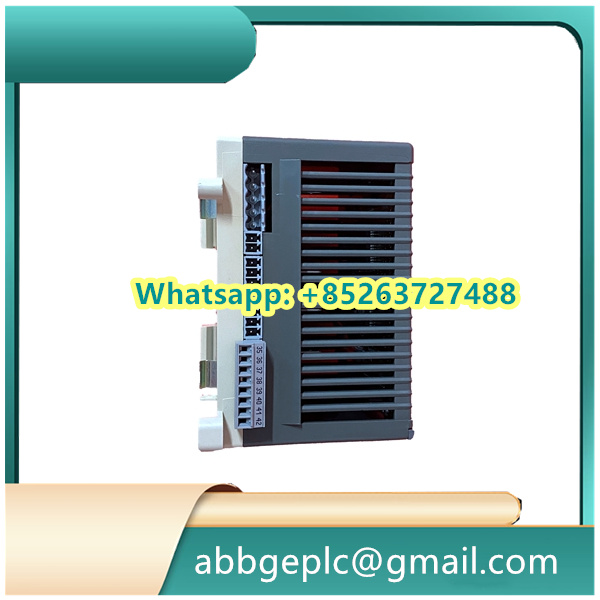
- Handle by Qualified Personnel: Installation should be conducted by a qualified electrician who complies with all relevant regulations and legislation, such as local wiring codes.
- Proper Mounting: The PE1315A usually supports mounting onto a 35 mm top hat DIN rail. Make sure the rail is firmly fixed to avoid vibration that might affect the device’s operation, and choose an installation location with sufficient space for wiring and ventilation.
- Environment Requirements: Install the relay within its rated ambient temperature and humidity ranges specified in the datasheet. Avoid areas subject to explosive or combustible dust, combustible gas, flammable vapor, corrosive gas, excessive dust, saltwater splash, or water drops.
- Safe Wiring Connection
- Ensure that the power is cut off during the wiring process to prevent electric shock.
- Connect the phases in the correct sequence. Incorrect phase connections may cause the relay to malfunction or fail to detect faults properly.
- Use cables with appropriate cross-sectional areas. Refer to the product manual for wire size requirements based on the rated current.
- Tighten terminal screws securely to prevent poor contact, which could lead to product failure or burning.
- Keep the connecting leads as short as possible when applicable to reduce signal interference and power loss.
- Grounding: Perform grounding construction properly. Lack of proper grounding may result in electric shock, product failure, or improper functioning.
- Inspection Before Energization: Before powering on, check that all moving parts operate freely, verify that contacts are clean and can close properly, and check all settings and electrical connections according to the design requirements.

There are no reviews yet.