
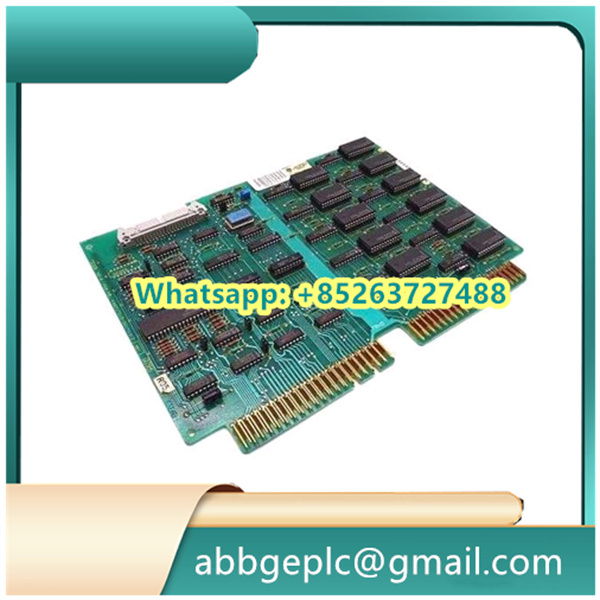


- Multi-type Signal Integration
The module simultaneously collects 16 channels of analog signals (4–20mA, from pressure/flow sensors) and 32 channels of digital signals (dry contact, from status switches like pump run/stop and valve open/close). It eliminates the need for separate signal converters, simplifying the cabinet layout and reducing wiring errors. - Signal Conditioning & Anti-interference
The power plant’s on-site environment is filled with electromagnetic interference (from high-voltage cables and motor drives) and temperature fluctuations (35–55°C in summer). The DS200FSAAG1 features built-in low-pass filtering and isolation circuits (2.5kVrms galvanic isolation between input and output), which reduce signal noise by over 80% and stabilize data transmission—resolving the previous issue of temperature sensor signal drift (from ±0.5°C to ±0.1°C). - Seamless Compatibility with Mark VIe System
The DS200FSAAG1 communicates with the Mark VIe main controller (IC698CMX) via the system’s proprietary Genius Bus, enabling real-time data upload (refresh rate ≤100ms). No modifications to the existing control logic or software were required, cutting the upgrade downtime by 40% (from the expected 8 hours to 4.8 hours per unit).
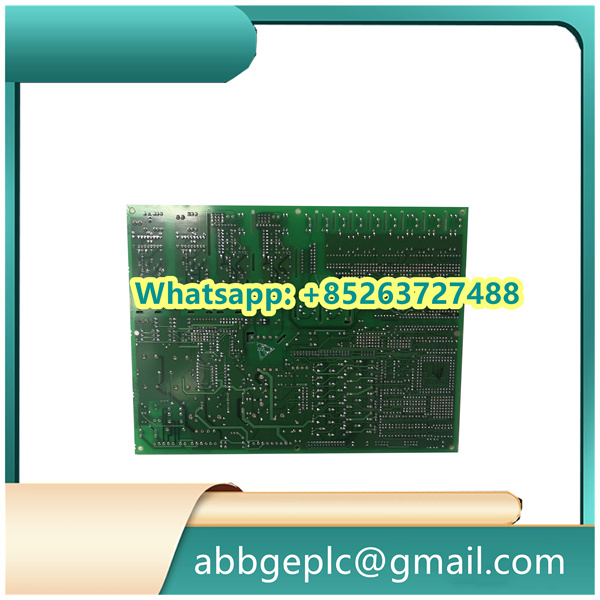
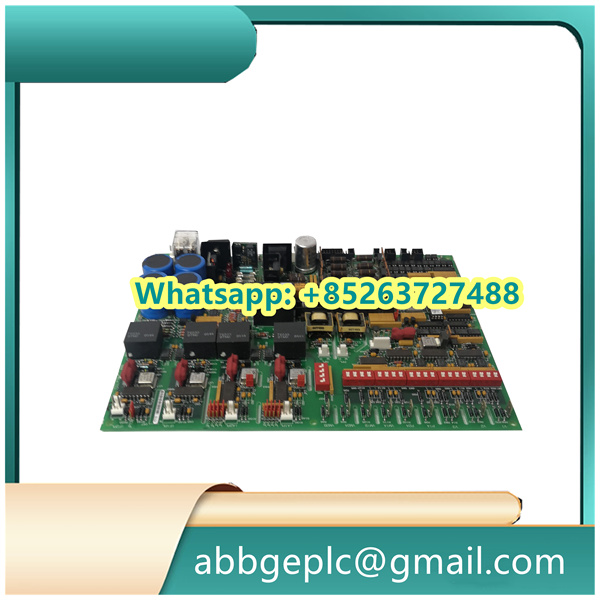
Implementation & Results
-
Deployment Process (Completed during a scheduled 12-hour maintenance window):
- Power off the auxiliary control cabinet and remove the old modules;
- Install the DS200FSAAG1, verify wiring (per GE’s installation manual), and perform insulation resistance testing;
- Power on the system, calibrate signal ranges via the Mark VIe HMI (Human-Machine Interface), and conduct 2-hour load testing;
- Monitor real-time data for 72 hours post-upgrade to confirm stability.
-
Operational Outcomes (6 months after upgrade):
- False alarms related to auxiliary system signals dropped from 15–20 times/month to 0–1 time/month;
- Maintenance time for signal-related issues decreased by 75% (from 12 man-hours/month to 3 man-hours/month);
- The gas turbine’s auxiliary system availability rate increased from 92.3% to 99.1%, helping the plant meet the grid’s availability requirements.

There are no reviews yet.