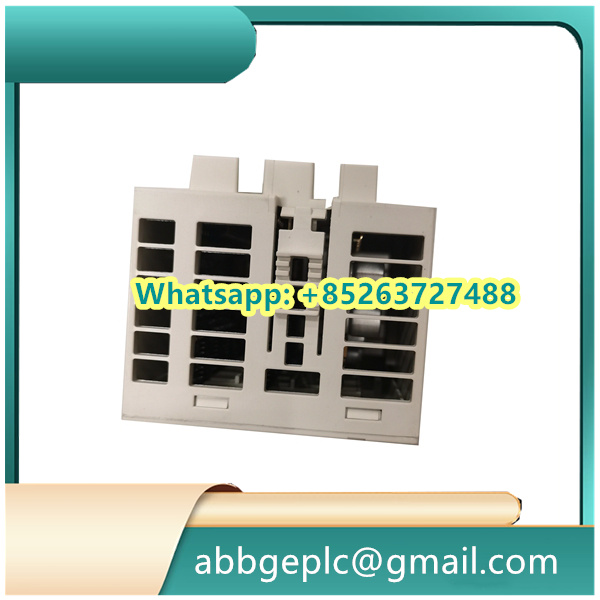
5STP16F2801 ABB IGBT Module
- Check the external appearance of the module for physical damage, such as cracks on the housing, deformation of the terminal pins, or signs of corrosion (caused by moisture, dust, or chemical contaminants).
- Inspect the connection points (e.g., power terminals, signal pins) for looseness, oxidation, or overheating marks (discoloration like yellowing or blackening). Tighten loose fasteners per ABB’s recommended torque specifications if necessary.
- Verify that the module’s label (model, rating, serial number) remains legible—fading labels may indicate exposure to excessive heat or environmental degradation, requiring further investigation.
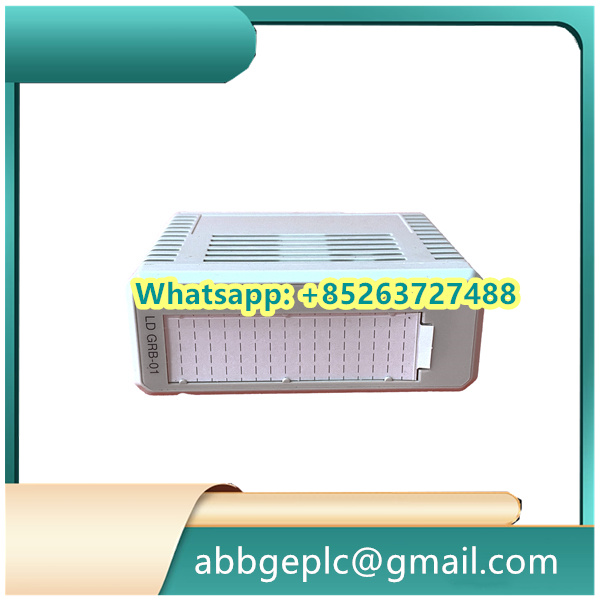
- Monitor the operating temperature of the 5STF13F1220 module during normal operation, as overheating is a primary cause of IGBT degradation. Use infrared thermometers or built-in temperature sensors (if integrated into the system) to measure the module’s surface temperature and the temperature of adjacent heat sinks.
- Ensure the maximum operating temperature does not exceed the value specified in ABB’s datasheet (typically ≤ 125°C for the junction temperature, Tj). If temperatures approach or exceed the limit, check the cooling system (e.g., fans, heat sinks, coolant loops) for blockages or malfunctions.
- Clean dust, oil, or debris from heat sinks and cooling fans weekly (or more frequently in dusty environments) using compressed air (low pressure, ≤ 0.5 MPa) or a soft brush—avoid using water or corrosive cleaning agents.
- Conduct periodic insulation resistance tests (using a megohmmeter) to verify the insulation integrity between the module’s power terminals and the heatsink/ground. Ensure the insulation resistance value meets ABB’s requirements (usually ≥ 100 MΩ at 500 V DC) to prevent leakage current or short circuits.
- Check for abnormal voltage or current fluctuations in the circuit connected to the module. Use a power analyzer to monitor input/output voltages, currents, and switching waveforms—deviations from standard parameters may indicate internal module faults or mismatched external components.
- Avoid frequent on/off cycles of the module within short intervals, as this can cause inrush current and voltage spikes that damage the IGBT chips. Follow ABB’s recommended start-up/shutdown procedures for the associated system.
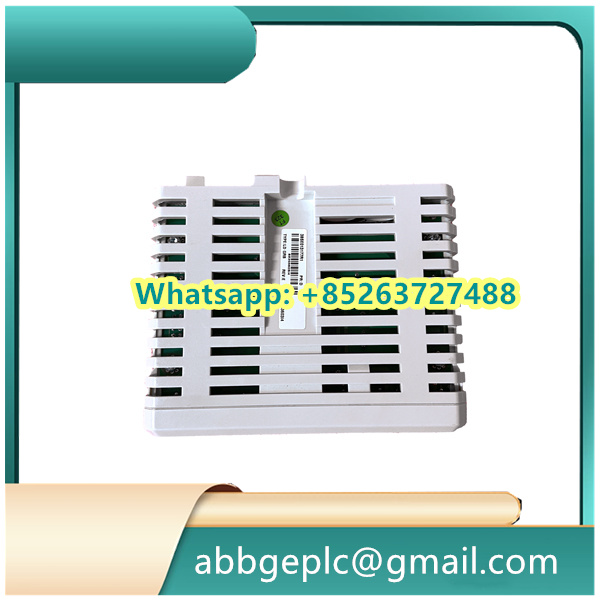
- Install the 5STF13F1220 module in an environment that complies with ABB’s specifications:
- Ambient temperature: -40°C to +85°C (avoid direct sunlight or proximity to high-temperature equipment like heaters or furnaces).
- Relative humidity: ≤ 95% (non-condensing) to prevent moisture-induced corrosion of internal components.
- Protection against dust, oil, and chemical vapors (use IP-rated enclosures if the module is installed in harsh industrial environments, such as welding shops or food processing plants).
- Ensure adequate ventilation around the module—maintain a minimum clearance of 10 cm between the module and other components to facilitate air circulation and heat dissipation.
Product has been added to your cart

There are no reviews yet.